Tips & Trik
Beyond the Sample: 7 Checks Procurement Teams Should Make Before Approving Upholstery Materials
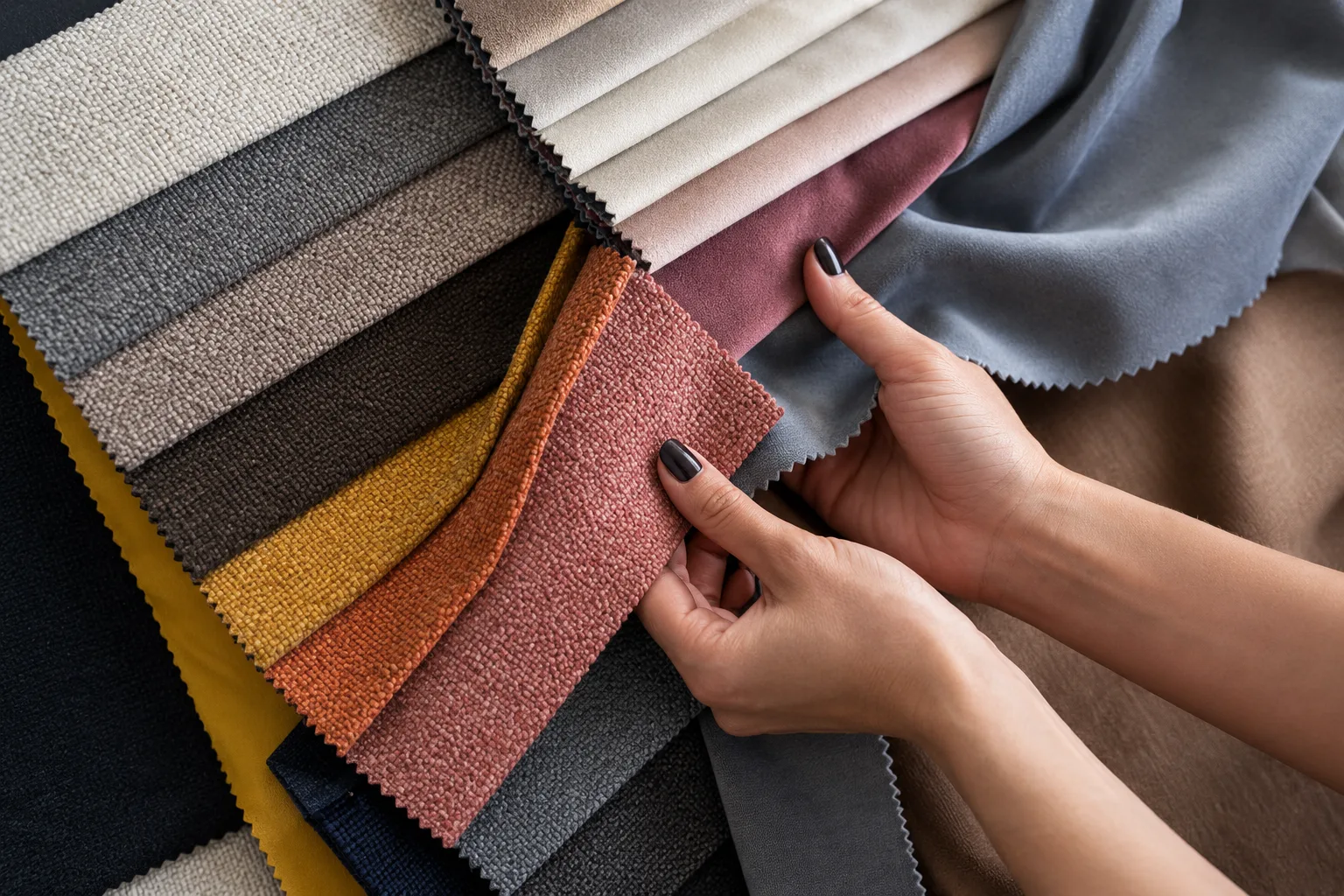
A fabric swatch tells you almost nothing about how that material will hold up once it’s stretched across thousands of units in the field. It looks right under showroom lighting, feels right in your hand, and yet six months into a large-scale rollout, procurement teams sometimes discover the batch delivered doesn’t quite match what was approved. By then, the cost of correcting it is far higher than the cost of checking it properly the first time.
The gap between sample performance and production performance is where most upholstery sourcing decisions go wrong. A single piece of fabric can’t show you dye consistency across a hundred meters, or how the material behaves after the two-hundredth cleaning cycle. That information lives in a supplier’s documentation, not in the swatch itself.
What the Sample Doesn’t Show You
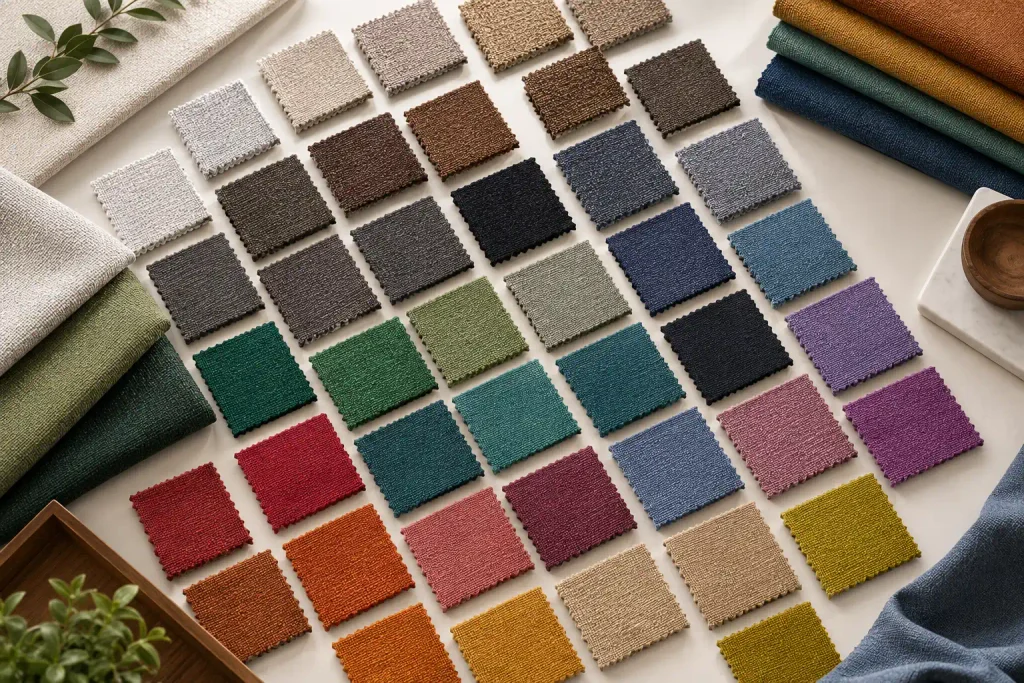
Approving a supplier based on one physical sample is a bit like approving a car based on a photo of its dashboard. It’s not wrong to look, it’s just incomplete. Batch-to-batch color variation, for instance, only shows up once you’re comparing multiple production runs side by side, something a single swatch simply cannot demonstrate.
Seven Checks Worth Running Before Sign-Off
Ask for verified abrasion resistance test reports, not just a number printed in a brochure. Confirm documented compliance with ISO 9001 and, where relevant, ISO/TS 16949, since these speak to whether quality control is systematic or incidental. Request evidence of dye lot consistency across at least two separate production runs. Get clarity on how any flame-retardant or stain-resistant treatment was tested, and by whom. Where the project involves local sourcing requirements, check SNI and TKDN compliance directly rather than taking a verbal assurance. Pin down lead time and minimum order quantity in writing before the project timeline depends on it. And finally, ask for references from clients running comparable volume or application, people who can speak honestly about what happened after the sample stage.
None of these seven checks replaces the physical sample. They sit alongside it, closing the gap between what a swatch promises and what a production run actually delivers. For procurement teams evaluating a supplier for a multi-year contract, that gap is exactly where risk hides.
Sinar Group’s production facilities operate under ISO 9001 and IATF 16949 certification, and the documentation behind these seven checks is part of the standard package we prepare for procurement evaluation from the first conversation, not something assembled after the fact.
FAQ
- Is a physical sample still necessary if a supplier passes all seven checks?
Yes. The checklist verifies consistency and process quality, but hand feel, drape, and visual appearance still need to be evaluated directly. - How long does gathering this documentation typically take?
For suppliers with certified quality systems already in place, most of it is available on request rather than requiring new testing. - Does this checklist apply to smaller orders, or only large-volume contracts?
It’s most valuable for larger or recurring orders, but even smaller projects benefit from confirming certification and dye consistency upfront.