Materi Pembelajaran
Why Fire Retardant Performance Matters in Upholstery Applications
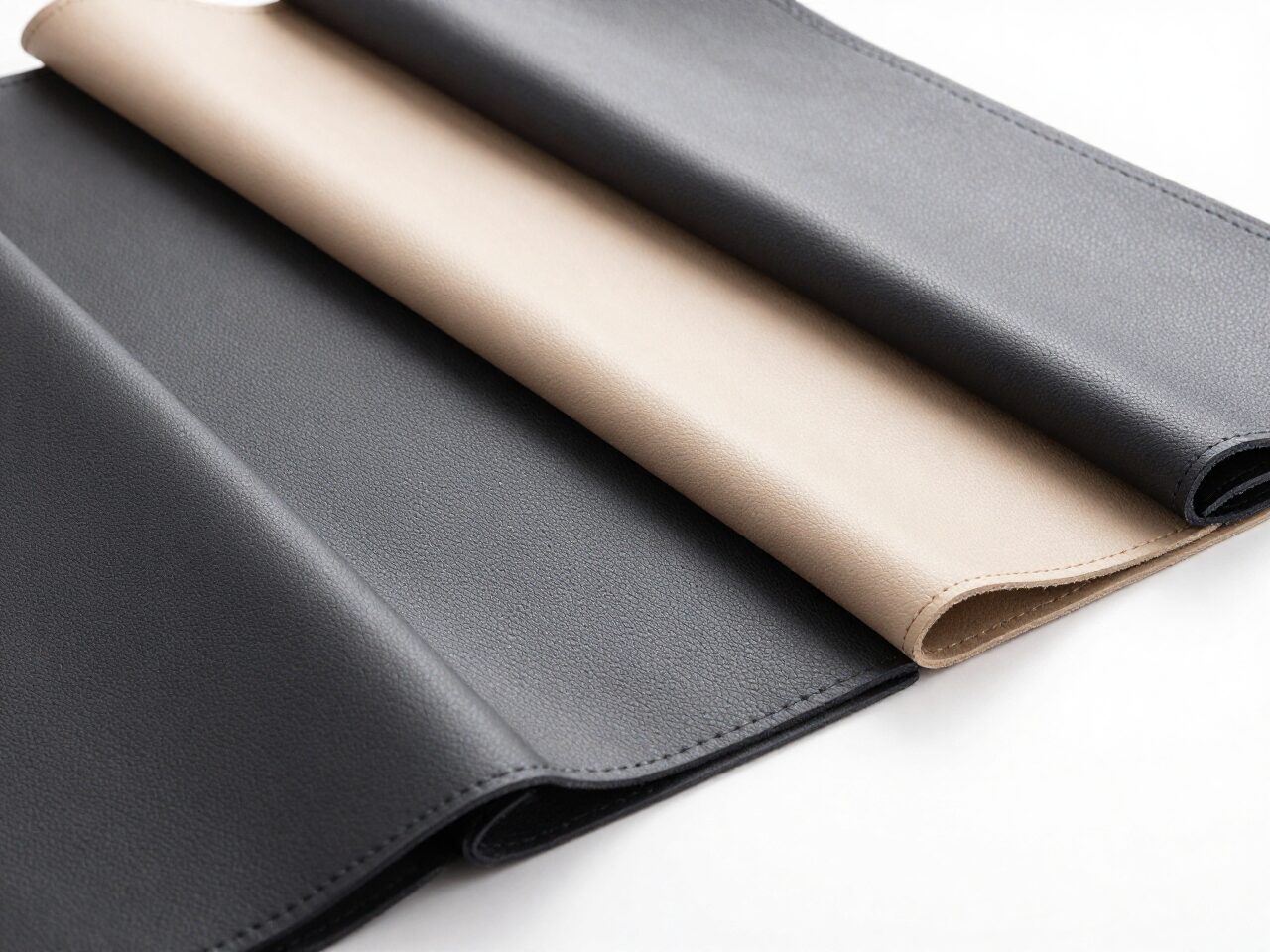
When people choose upholstery fabrics, they often focus on appearance, texture, and durability. While these factors certainly matter, there is another aspect that deserves equal attention: safety.
In public spaces and transportation environments where many people spend time in close proximity, the materials used in interior applications can play a significant role during emergencies. Upholstery fabrics are more than decorative elements, they contribute to the overall functionality and safety of an interior.
One feature that has become increasingly important is fire retardancy. Fire retardant upholstery fabrics are designed to slow down the spread of flames and delay ignition when exposed to heat. Although they are not completely fireproof, their ability to reduce the speed at which a fire develops can make a meaningful difference when every second counts.
Understanding Fire Retardant Upholstery Fabric
Fire retardant upholstery fabric refers to textile materials engineered to resist ignition and inhibit flame spread. Unlike conventional fabrics that may burn quickly once exposed to a heat source, these materials are designed to react differently when fire occurs.
It is important to note that fire retardant does not mean a material will never burn. Given enough heat and prolonged exposure, most materials can eventually combust. The difference lies in how they behave during the critical early stages of a fire.
By slowing down combustion, fire retardant fabrics help reduce the intensity of flames and provide additional time for people to evacuate safely or for emergency responders to take action.
This characteristic is especially valuable in enclosed environments such as buses, trains, and other passenger transportation settings, where efficient evacuation can be more challenging.
How Does Fire Retardant Fabric Work?
Fire requires three essential elements to sustain itself: heat, oxygen, and fuel. Fire retardant technologies work by disrupting this process. Some upholstery fabrics are designed to require higher temperatures before ignition occurs. This means that accidental contact with small heat sources is less likely to immediately trigger combustion.
When exposed to flames, certain materials can also form a protective barrier that limits the penetration of heat and oxygen into the fabric. This slows the burning process and reduces the speed at which flames spread across the surface.
In many cases, the fabric may also exhibit self-extinguishing properties, meaning it stops burning once the ignition source is removed rather than continuing to fuel the fire. These mechanisms do not eliminate fire risks entirely, but they help slow the progression of an incident and minimize its potential impact.
Why Fire Retardancy Matters
1. Improving Passenger Safety
Fire retardant upholstery fabrics help provide valuable time during emergencies by slowing the spread of flames, particularly in transportation environments where passenger safety is critical. This is why fire performance is now considered just as important as comfort and aesthetics.
2. Supporting Industry Standards
Many industries, including transportation, hospitality, healthcare, and commercial spaces, require interior materials to meet specific fire safety standards. Choosing fire retardant upholstery fabrics not only helps support compliance but also reflects a commitment to quality and safer environments.
3. Building Trust Through Thoughtful Design
Prioritizing safety in interior design reflects thoughtful material selection and consideration for the people who use the space every day. Choosing upholstery fabrics with enhanced protective properties is not only a practical decision but also a commitment to confidence and peace of mind.
Safety as Part of Modern Upholstery Solutions
Advancements in textile technology have made it possible to combine safety with visual appeal and comfort. Fire retardant performance no longer requires compromising on design flexibility.
At Regency, quality upholstery solutions are developed with the evolving needs of modern interiors in mind. In addition to durability, comfort, and aesthetic versatility, selected Regency fabric collections are equipped with fire retardant protection to support safer interior environments, particularly for transportation applications where passenger safety is a key consideration.
This approach reflects a broader understanding of what quality upholstery should offer. Beyond enhancing the appearance of an interior, upholstery materials should also contribute to functionality, reliability, and protection.
As expectations surrounding safety continue to evolve, fire retardant upholstery fabric has become more than a technical specification. It represents thoughtful innovation, where design, performance, and responsibility work together.
Because great interiors are not only designed to look good and feel comfortable. They are also designed to help protect the people who use them every day.