Materi Pembelajaran
Understanding Abrasion Resistance in Upholstery Fabrics
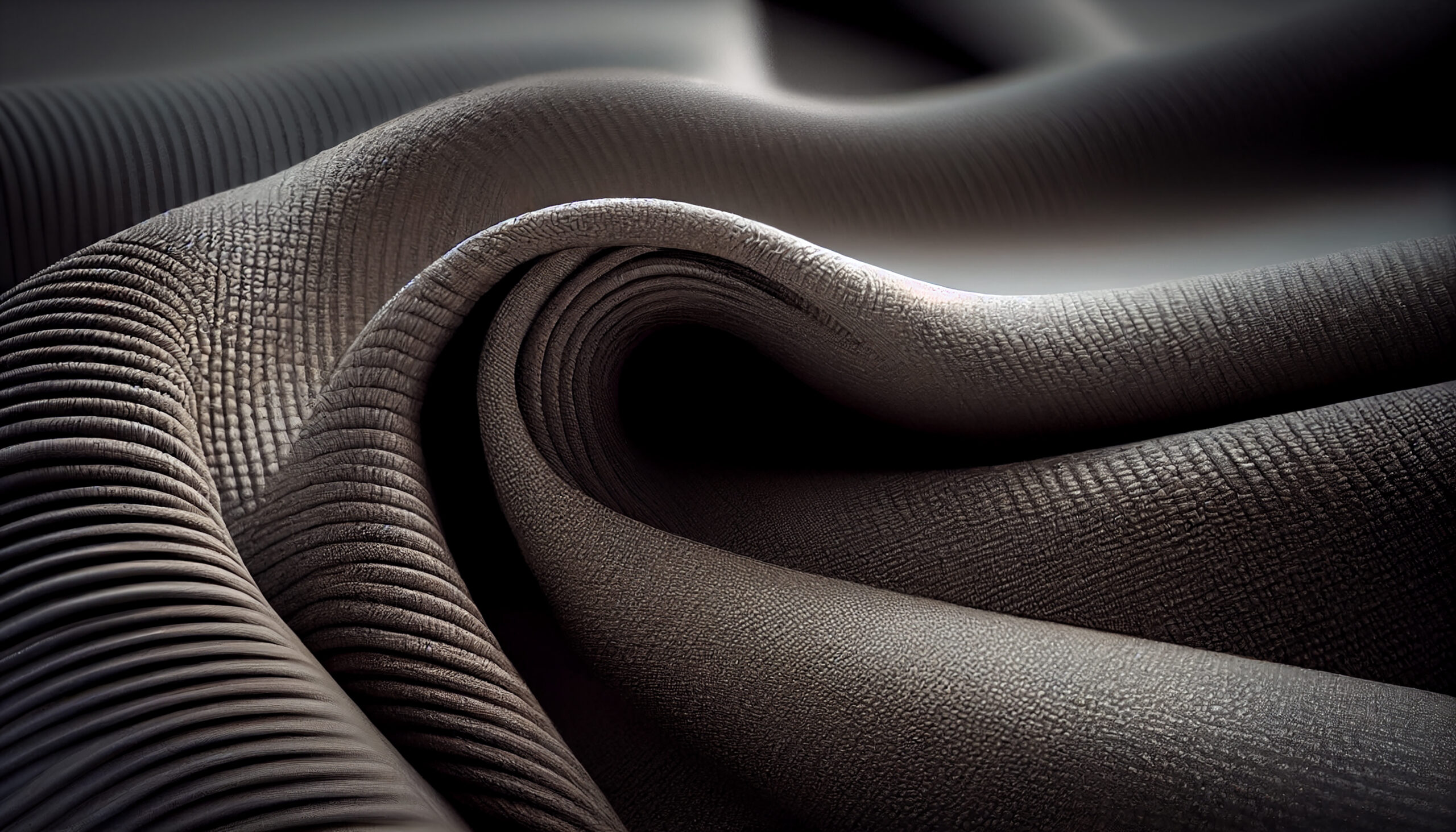
When choosing upholstery fabric, most people pay attention to its color, texture, and design. While these factors certainly influence the overall appearance of a space, durability is just as important. Especially for furniture that is used every day. One of the key indicators of durability is abrasion resistance.
Whether the fabric is intended for residential furniture, commercial seating, hospitality interiors, or public transportation, understanding abrasion resistance helps ensure the material will maintain its appearance and performance over time.
What Is Abrasion Resistance?
Abrasion resistance refers to a fabric’s ability to withstand surface wear caused by repeated friction or rubbing. Every time someone sits on a chair, leans against a sofa, or slides across a seat, the fabric experiences small amounts of friction. Over time, this repeated contact can lead to visible wear, thinning fibers, or even holes if the material is not durable enough.
A fabric with high resistance is designed to endure this continuous use while maintaining its structural integrity and visual appeal. However, it is important to understand that this resistance measures only one aspect of fabric performance. It does not necessarily indicate stain resistance, colorfastness, or ease of maintenance, which should also be considered when selecting upholstery materials.
Why Abrasion Resistance Matters
Selecting upholstery fabrics with the appropriate abrasion resistance offers several long-term benefits.
First, it helps extend the lifespan of furniture. Durable fabrics are less likely to show premature signs of wear, reducing the need for frequent replacement or reupholstery.
Second, it supports cost efficiency. While higher-performance fabrics may require a greater initial investment, they often reduce maintenance and replacement costs over the lifetime of the furniture.
Finally, abrasion-resistant fabrics help preserve a professional appearance. In commercial environments such as offices, hotels, restaurants, hospitals, airports, and public transportation, maintaining clean and attractive seating contributes to a better overall user experience.
How Abrasion Resistance Is Tested
Abrasion resistance is measured using standardized laboratory tests that simulate years of everyday use. The two most widely recognized testing methods are Martindale and Wyzenbeek.
- Martindale Test, commonly used in Europe and many international markets. A fabric sample is rubbed against a standard abrasive material in a multidirectional motion that mimics natural wea. Then, the result is expressed as the number of cycles the fabric can withstand before noticeable wear occurs. Generally, the higher the Martindale cycle count, the greater the fabric’s resistance to abrasion.
- Wyzenbeek Test, a test that is widely used in North America. A fabric sample is rubbed back and forth in a linear motion using a standardized cotton duck or wire screen. Results are reported as double rubs.
Choosing the Right Abrasion Resistance for Different Applications
The ideal abrasion resistance depends on how the furniture will be used. For decorative furniture or areas with occasional use, moderate abrasion resistance is generally sufficient. Meanwhile in residential living rooms, family spaces, and frequently used seating, fabrics with higher abrasion resistance provide better long-term performance.
Then there are commercial environments that require even greater durability because furniture is subjected to continuous daily use by many people. Offices, hospitality venues, healthcare facilities, educational institutions, and public transportation all benefit from upholstery fabrics specifically designed for heavy-duty applications.
Rather than simply selecting the highest available rating, it is more important to match the fabric’s performance to its intended environment. Choosing an appropriate specification helps balance durability, comfort, appearance, and project cost.
Selecting High-Quality Upholstery Fabrics
Every project has unique performance requirements. A hotel lobby, corporate office, airport lounge, school, or residential living room all experience different levels of daily wear. Understanding abrasion resistance enables designers, architects, furniture manufacturers, and project owners to select materials that are appropriate for each application.
At PT Sinar, we provide a wide range of upholstery fabrics designed to meet various functional and aesthetic requirements across residential, commercial, transportation, and hospitality projects. By combining durability, quality, and design, our fabric collections help create interior spaces that remain comfortable and visually appealing for years to come.