Learning Resources
Indonesia’s EV Supply Chain Opportunity: What OEMs Look For in Material Suppliers
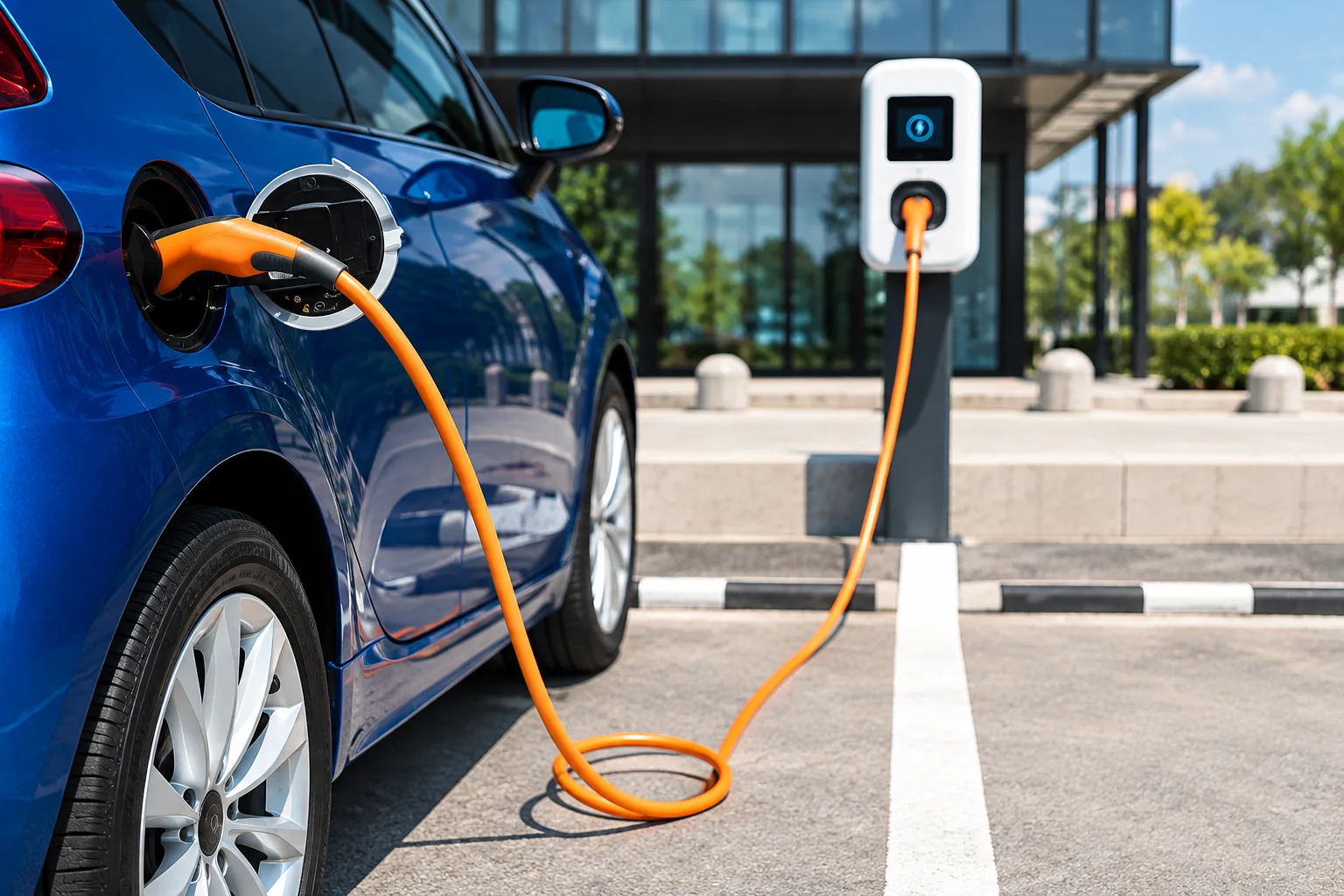
Indonesia’s growing electric vehicle industry is opening real opportunities for domestic supply chains, including interior materials like seat fabric and cabin trim. But that opportunity comes with a different set of expectations. EV OEMs generally apply stricter supplier evaluation criteria than conventional vehicle manufacturers, particularly around maintaining consistent quality across large production volumes.
What OEMs Look For in a Material Supplier
There are four factors that typically weigh most heavily when an OEM evaluates an interior material supplier. The first is production capacity that can keep pace with vehicle output targets, since any delay in material supply has a way of stalling an entire production line.
The second is certification, specifically ISO 9001 and IATF 16949, which serve as documented proof of a quality system rather than a claim on paper. The third is the ability to meet TKDN local content requirements, a regulation that’s becoming increasingly relevant for EV projects in Indonesia.
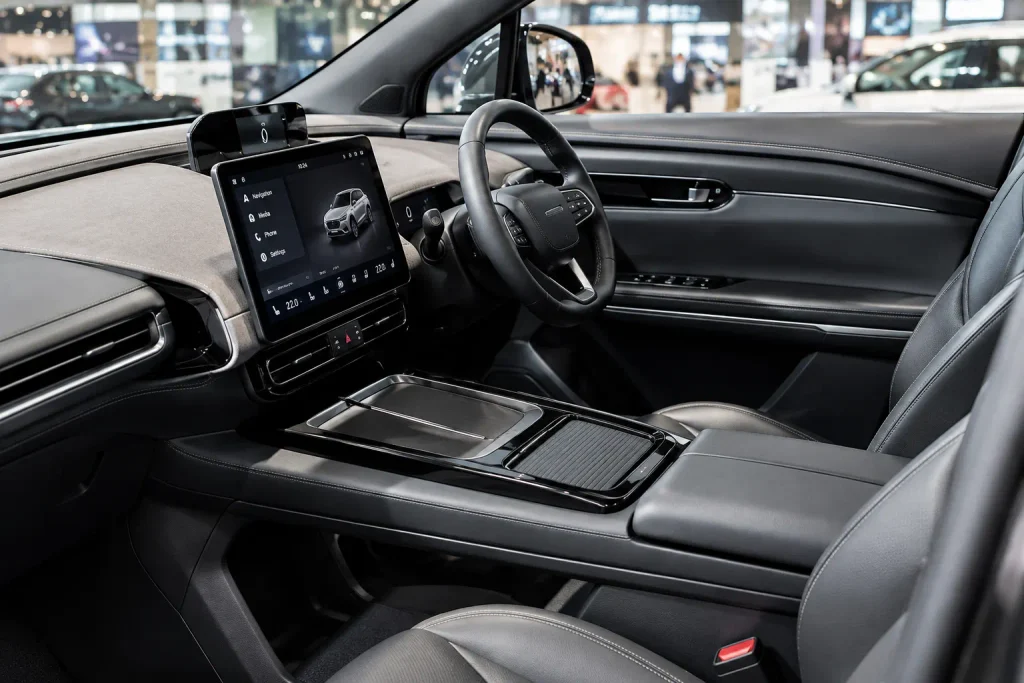
The fourth factor is flexibility: the ability to adjust material specifications to match EV cabin requirements that tend to be quieter and more sensitive to weight, two characteristics that rarely feature in specifications for conventionally powered vehicles.
Sinar Group’s Position in This Supply Chain
A supplier able to demonstrate all four of these qualities is in a stronger position to become a long-term OEM partner rather than a one-off vendor for a single project. Sinar Group isn’t new to this space. Built over more than four decades, our production systems in Cimahi and Purwakarta already hold ISO 9001 and IATF 16949 certification, and we’ve supplied automotive material to more than sixty countries.
For companies building out an EV supply chain in Indonesia, understanding these criteria early helps narrow the field of potential suppliers and avoid the risk of delays or specification mismatches partway through a project. The opportunity is significant, but it’s only open to suppliers genuinely prepared to meet this new set of standards.
FAQ
- Does Sinar Group have specific experience supplying material for electric vehicles?Our core experience is in automotive material broadly, and the criteria discussed here, certification and specification flexibility in particular, apply directly to EV requirements as well.
- What sets EV material suppliers apart from those serving conventional vehicles?The main differences come down to weight sensitivity and the need for a quieter cabin acoustic profile, two factors that carry far less weight in conventional vehicle specifications.
- How does a company start working with Sinar Group as a supplier?The best starting point is reaching out through official contact channels on ptsinar.com to discuss specification requirements and production volume.