Interior Design
A Guide to Choosing the Right Textiles for Office Interiors

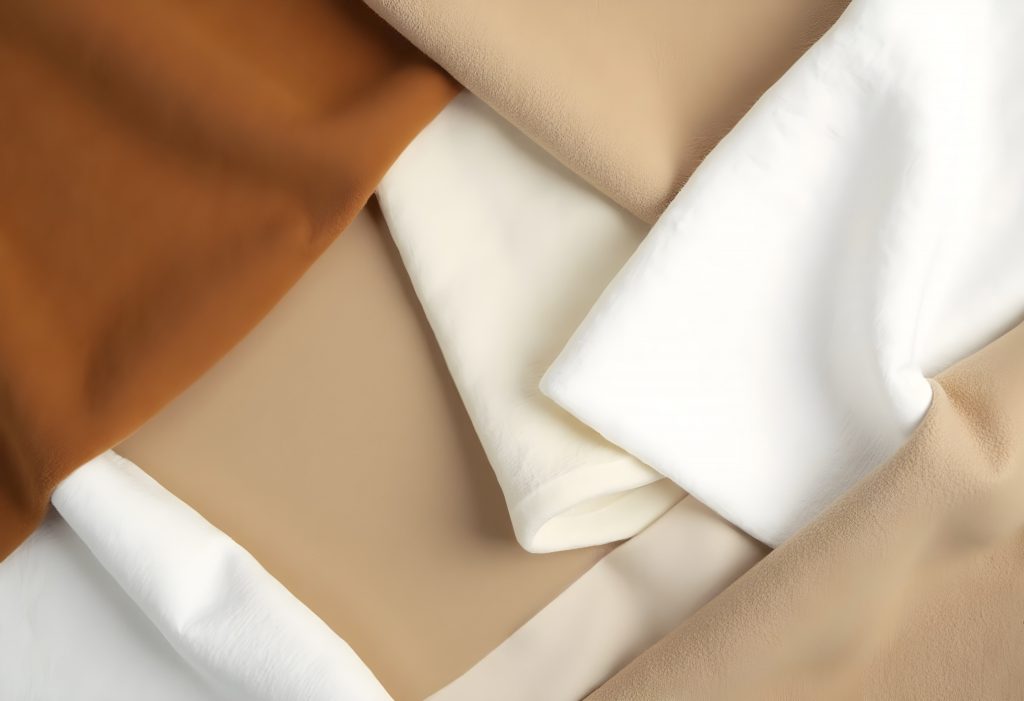
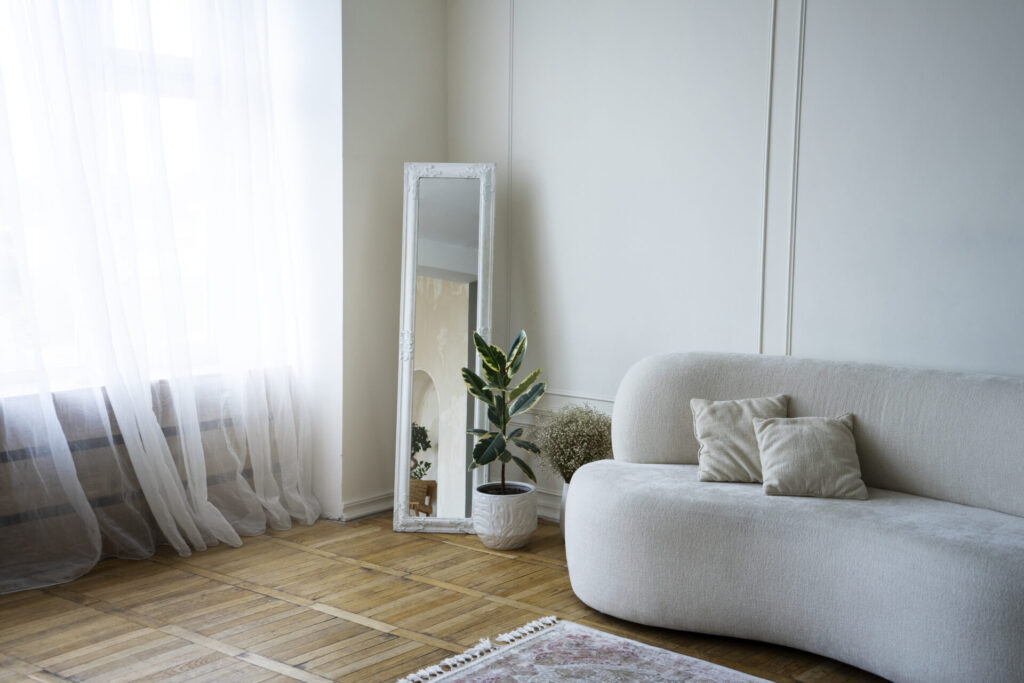
Textile selection plays an important role in shaping the comfort, durability, and overall functionality of an office interiors. In commercial spaces such as offices, meeting rooms, lounges, and waiting areas, constant activity exposes fabrics throughout the day. Because of this, choosing the right material is not only about aesthetics, but also about long-term usability.
Every textile used in an office environment should support the function of the space while maintaining a professional appearance. From seating upholstery to wall panels and collaborative areas, material selection directly affects how a workspace looks, feels, and performs.
Durability for High-Traffic Areas in Office Interiors
Durability is one of the main considerations when choosing textiles for commercial interiors. Unlike residential environments, office spaces are exposed to heavier and more consistent use from employees, visitors, and clients.
Many commercial textiles feature high abrasion resistance to handle repeated friction and daily use. This makes them more suitable for office lounges, collaborative spaces, and reception areas, where materials must remain presentable despite frequent use.
For example, Regency PVC synthetic leather materials can offer abrasion resistance up to 200,000 cycles, making them suitable for demanding commercial environments. High-durability materials can also help reduce maintenance needs and minimize visible wear over time.
Cleanability and Stain Resistance
Cleanability has become an important consideration in modern office interiors. Because shared seating areas and public spaces frequently experience dust, spills, and everyday contact, making easy maintenance essential.
Materials that are difficult to clean may quickly affect the overall appearance of a workspace, especially in busy areas with constant use. That’s why many offices prioritize textiles that are easier to wipe and maintain on a daily basis.
Materials such as vinyl and coated textiles are commonly used because they offer better resistance against stains, moisture, and surface dirt. These materials are especially suitable for reception areas, waiting rooms, and other frequently used spaces.
Considering Safety and Flammability
Safety is another important aspect when choosing office textiles. Different fabrics have different levels of fire resistance, and many commercial interiors must comply with specific flammability standards depending on the building type and local regulations.
In office environments, textiles are often used across seating, partitions, wall panels, and collaborative spaces. Because of this, selecting materials with appropriate safety standards is important. Not only for compliance, but also for supporting a safer and more reliable workspace overall.
Areas located near heat sources, such as pantry areas, break rooms, or kitchens, often require additional attention when selecting materials. Textiles used in these spaces should be able to maintain their performance and durability while meeting the necessary safety considerations.
Choosing materials with suitable flammability ratings can help reduce potential risks while maintaining the intended interior concept.
Creating Office Interiors That Last
Choosing the right textile for an office interior involves balancing aesthetics, durability, maintenance, and safety. The right material can improve comfort, support everyday functionality, and maintain a professional appearance over time.
High-quality textiles not only enhance the visual atmosphere of a workspace, but also help office interiors remain functional and well-maintained despite constant activity. From reception areas to collaborative spaces, selecting materials that suit the needs of each environment can contribute to a more comfortable and professional workplace experience.
As workplace design continues to evolve, thoughtful textile selection remains an important part of creating office interiors that are functional, professional, and suitable for long-term use. With durable and versatile material options, Regency fabrics can help support modern commercial interiors that prioritize both performance and aesthetics.