Interior Design
Choosing Upholstery by Space: Offices, Lounges and Waiting Areas
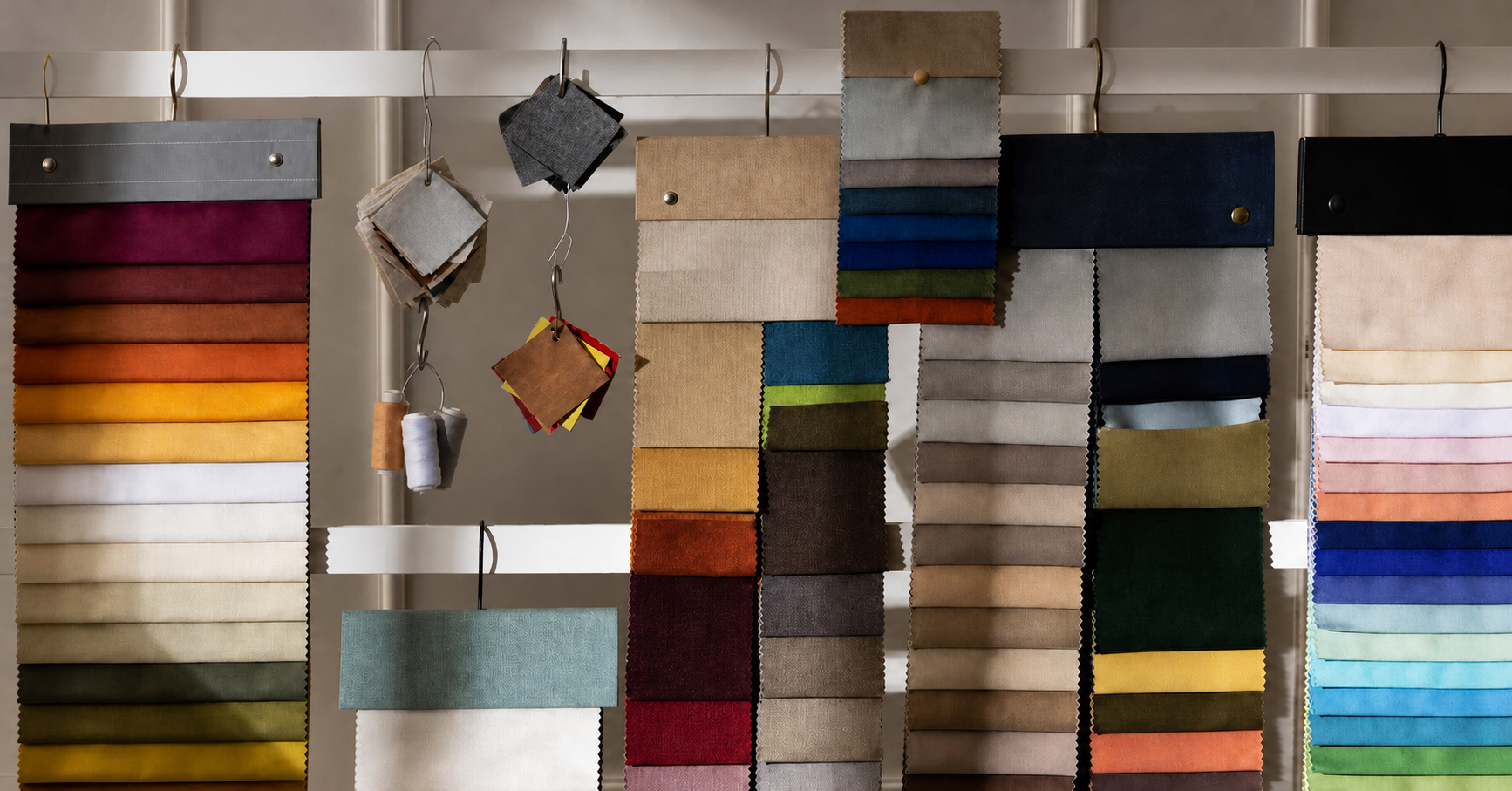
A fabric that suits a quiet office chair may not suit a busy waiting area. The better starting point is the space itself: who sits there, for how long, and how often. This article shows how to organise upholstery choices around the use of each area. It is a planning guide, not a specification. Exact products, treatments and performance need confirming with the product team.
Map how each seating area is used
Start by listing the seating areas in the project. For each one, write a few plain notes about how people use it.
Think about three things. First, how long people stay: a few minutes in a waiting area, or a full day at an office desk. Second, how many people use the seat during a day. Third, what happens around it, such as food, drinks, bags or cleaning routines.
These notes turn a vague idea like “durable and comfortable” into specific questions. They also make it easier to explain your reasoning to a client or colleague.
Explore the relevant Commercial material categories
The PT Sinar Commercial page describes a heavy-duty range for needs such as offices and cinemas. It lists six categories: woven, knitted, velvet, synthetic leather, special treatment and special yarn.
The page gives short descriptions that can help you map categories to spaces.
- Woven: described as designed for high-traffic places, with abrasion resistance expected to be better than home interior fabric.
- Knitted: described as including breathable mesh fabrics for office chairs.
- Velvet: described as a modern look with extra protection for public spaces.
- Synthetic leather: described as designed with durability and comfort in mind.
Special treatment and special yarn are listed separately, with options such as water-repellent or easy-to-clean treatments and flame-retardant yarn. Treat these as add-ons to discuss, not as features of every fabric. Which treatment is available for which fabric must be confirmed.
Build a colour and texture shortlist
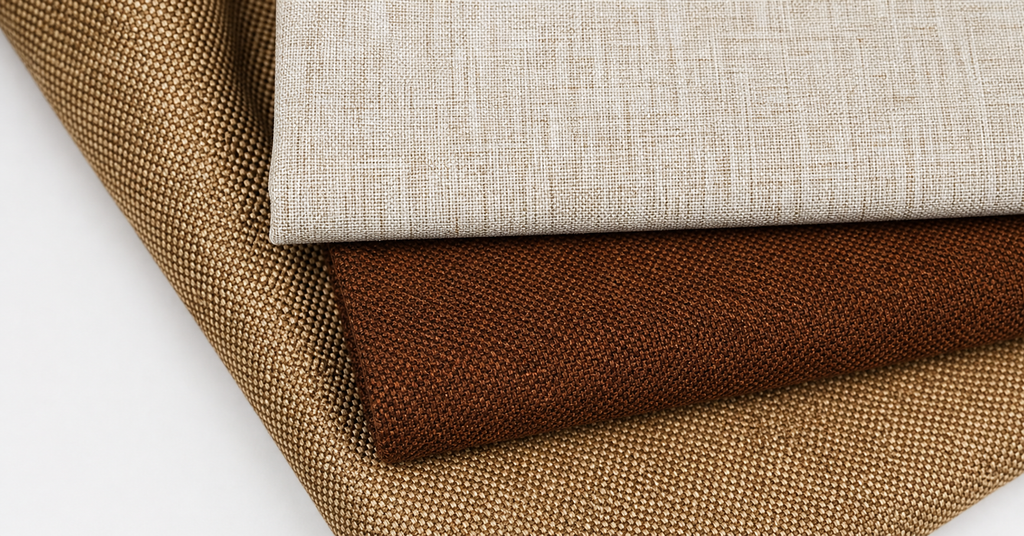
Once you know the use, narrow the options by look and feel. Choose a small number of colours first, then compare textures within them.
A calm, plain surface suits a space where people work for hours. A lounge may allow more personality in colour or texture. A waiting area often needs a look that feels welcoming without being delicate.
Try to limit the palette across the whole project. Too many colours can make a set of separate areas feel unrelated, while a shared base colour helps them feel like one design.
Always judge samples in person. Look at them in the lighting of the actual space, next to the flooring, walls and other furniture. A screen can only approximate colour, so keep photographs as notes rather than as the final reference.
Identify performance and maintenance questions
A good shortlist still needs technical checking. Prepare questions for each area before you contact the product team. The table below is a starting point.
| Area | How it is used | Questions to ask |
| Office | Long hours, daily use | Which category suits long seating? What does the product team advise on wear? |
| Lounge | Mixed use, relaxed | Which look and texture suit it? What cleaning method is recommended? |
| Waiting area | Short stays, many people | Which category suits frequent use? What is the cleaning routine? |
These are example areas, not real projects. Add your own questions about cleaning, treatments and expected use. For ideas on lowering upkeep through material choice, read How to Reduce Interior Maintenance Costs Through Material Selection.
Create a simple material board for review
Put everything on one board. Include the shortlisted samples, a note on each area’s use, and your open technical questions. Label every sample so that nobody confuses them later. A short caption for each one, such as the area it is meant for, makes the board easier to read at a glance.
Share the board with your client or team and ask for reactions to the look. Keep a separate list of the questions that the product team must answer. That separation prevents a good-looking sample from being approved before its technical points are confirmed. For a longer review process, see Beyond the Sample: 7 Checks Procurement Teams Should Make Before Approving Upholstery Materials.
When the board is ready, take the next step and see the range.
Explore PT Sinar’s Commercial material categories.
FAQ
Can one fabric be used across all seating areas?
Not necessarily. Offices, lounges and waiting areas are used in different ways, so one fabric may suit some areas better than others. Using a single fabric can simplify a project, but confirm its suitability for each area with the product team first.
Which product information should a design team request?
Ask for the exact product names and available colours, the current list of treatments for each fabric, cleaning guidance and any technical data relevant to your project. Request this in writing so the whole team works from the same information.