

Jumlah mobil listrik di jalanan kota besar Indonesia terus bertambah, dari kendaraan pribadi sampai armada taksi online. Tapi ada satu hal yang jarang dibahas di balik topik irit dan ramah lingkungan: kabin mobil listrik punya karakter berbeda dari mobil bermesin konvensional, dan itu ikut mengubah pertimbangan saat memilih material interior.
Empat Karakter Kabin EV yang Mempengaruhi Pilihan Kain
Perbedaan paling terasa ada di soal suara. Mesin listrik jauh lebih senyap, sehingga bunyi kecil dari dalam kabin, termasuk gesekan kain jok yang kurang berkualitas, jadi lebih mudah terdengar. Di mobil bermesin bensin, suara mesin biasanya menutupi bunyi semacam ini secara alami. Di mobil listrik, tidak ada yang menyamarkannya.
Bobot material juga jadi pertimbangan baru yang sebelumnya kurang relevan. Karena efisiensi jarak tempuh per pengisian daya jadi perhatian utama pemilik mobil listrik, setiap kilogram tambahan di kabin ikut diperhitungkan, meski dampaknya kecil per komponen. Kain yang ringan tapi tetap kuat jadi nilai tambah dibanding material tebal yang sebenarnya tidak menambah ketahanan secara signifikan.
Ada juga soal suhu kabin. Baterai mobil listrik cukup sensitif terhadap panas berlebih, sehingga beberapa produsen mendesain sistem pendinginan kabin yang sedikit berbeda dari mobil konvensional. Material interior sebaiknya tetap nyaman di rentang suhu ini, tidak menyerap panas berlebihan atau terasa lengket saat cuaca terik.
Terakhir, ada faktor gaya hidup. Banyak orang beralih ke mobil listrik karena alasan keberlanjutan, jadi wajar kalau mereka juga lebih rewel soal material di dalamnya, bukan cuma soal mesinnya saja. Kain yang tahan lama otomatis lebih jarang diganti, dan itu sendiri sudah sejalan dengan alasan mereka pindah dari mobil konvensional.
Rekomendasi Kain untuk Kabin Kendaraan Listrik
Jadi kalau ditotal, ada empat hal yang bikin pemilihan kain untuk mobil listrik agak beda dari mobil biasa: suara, bobot, suhu, sampai gaya hidup pemiliknya. Tapi ujung-ujungnya tetap sama, kainnya harus nyaman diduduki dan awet dipakai tiap hari.
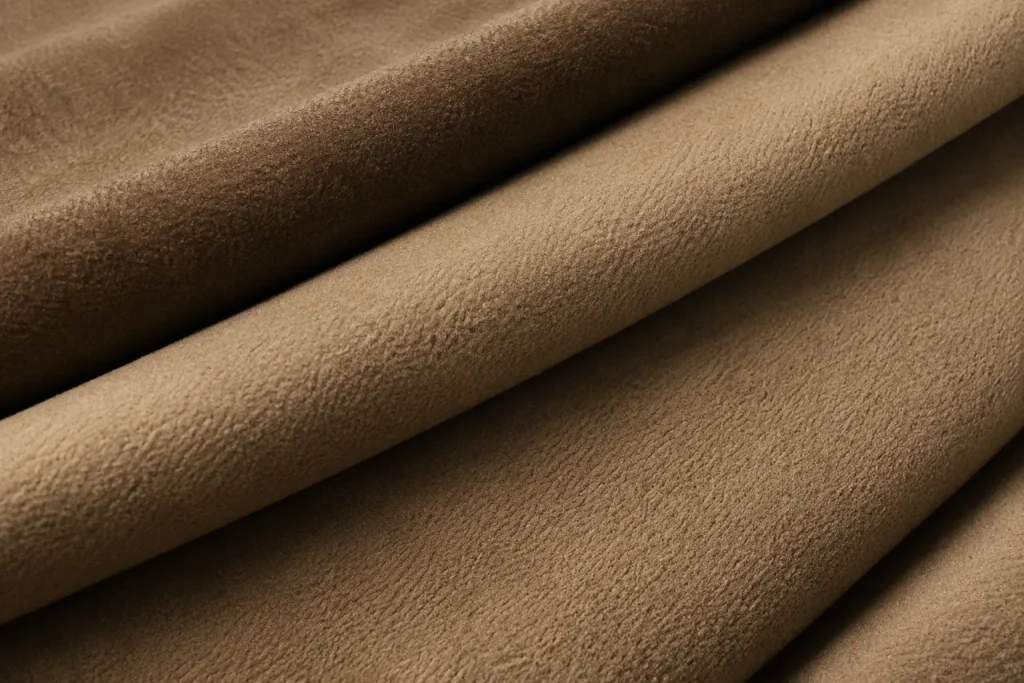
Kain interior dari Regency, seperti Amadeus dengan karakter beludrunya atau Vienna yang lebih minimalis, bisa jadi titik awal untuk kabin kendaraan listrik. Keduanya berbahan polyester yang relatif ringan dan tersedia dalam variasi warna netral yang cocok dengan konsep kabin modern.
Lagi siapin kabin mobil listrik, entah buat dipakai sendiri atau untuk armada? Coba mampir dulu ke shop.ptsinar.com, lihat-lihat kain interior yang tersedia sebelum memutuskan.
Ask Regency Anything
- Apakah kain interior mobil listrik harus beda total dari mobil biasa?
Tidak harus beda total, tapi ada faktor tambahan seperti bobot dan akustik kabin yang perlu ikut dipertimbangkan. - Kenapa bobot kain jadi soal penting di mobil listrik?
Karena ikut berpengaruh pada efisiensi jarak tempuh per pengisian daya, meski dampaknya kecil per komponen. - Kain apa yang direkomendasikan untuk kabin mobil listrik?
Amadeus dan Vienna bisa jadi titik awal karena relatif ringan dan tersedia dalam variasi warna netral.
Indonesia’s growing electric vehicle industry is opening real opportunities for domestic supply chains, including interior materials like seat fabric and cabin trim. But that opportunity comes with a different set of expectations. EV OEMs generally apply stricter supplier evaluation criteria than conventional vehicle manufacturers, particularly around maintaining consistent quality across large production volumes.
What OEMs Look For in a Material Supplier
There are four factors that typically weigh most heavily when an OEM evaluates an interior material supplier. The first is production capacity that can keep pace with vehicle output targets, since any delay in material supply has a way of stalling an entire production line.
The second is certification, specifically ISO 9001 and IATF 16949, which serve as documented proof of a quality system rather than a claim on paper. The third is the ability to meet TKDN local content requirements, a regulation that’s becoming increasingly relevant for EV projects in Indonesia.
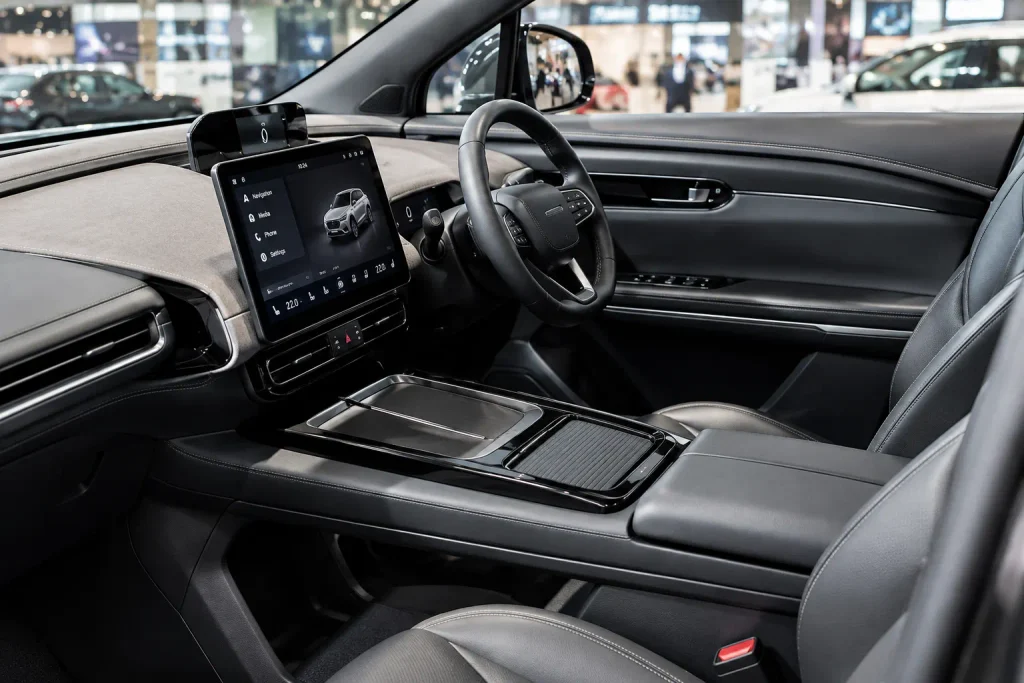
The fourth factor is flexibility: the ability to adjust material specifications to match EV cabin requirements that tend to be quieter and more sensitive to weight, two characteristics that rarely feature in specifications for conventionally powered vehicles.
Sinar Group’s Position in This Supply Chain
A supplier able to demonstrate all four of these qualities is in a stronger position to become a long-term OEM partner rather than a one-off vendor for a single project. Sinar Group isn’t new to this space. Built over more than four decades, our production systems in Cimahi and Purwakarta already hold ISO 9001 and IATF 16949 certification, and we’ve supplied automotive material to more than sixty countries.
For companies building out an EV supply chain in Indonesia, understanding these criteria early helps narrow the field of potential suppliers and avoid the risk of delays or specification mismatches partway through a project. The opportunity is significant, but it’s only open to suppliers genuinely prepared to meet this new set of standards.
FAQ
- Does Sinar Group have specific experience supplying material for electric vehicles?Our core experience is in automotive material broadly, and the criteria discussed here, certification and specification flexibility in particular, apply directly to EV requirements as well.
- What sets EV material suppliers apart from those serving conventional vehicles?The main differences come down to weight sensitivity and the need for a quieter cabin acoustic profile, two factors that carry far less weight in conventional vehicle specifications.
- How does a company start working with Sinar Group as a supplier?The best starting point is reaching out through official contact channels on ptsinar.com to discuss specification requirements and production volume.
Interior maintenance is an ongoing expense that every building owner and facility manager must consider. While routine cleaning and repairs are unavoidable, many maintenance costs can actually be reduced before an interior is even built, simply by selecting the right materials.
Rather than focusing only on appearance or upfront cost, it is important to evaluate how a material will perform over time. Durable, easy-to-maintain materials help preserve the look of an interior while minimizing cleaning, repairs, and replacements. Whether for commercial buildings, hospitality projects, transportation, or residential spaces, smart material selection is a long-term investment that delivers lasting value.
Look Beyond the Initial Cost
Choosing the least expensive material may help reduce the project’s initial budget, but it can increase maintenance expenses in the long run. Materials that wear out quickly, fade, stain easily, or require frequent repairs often end up costing more over their lifetime.
Instead, consider the total cost of ownership. High-quality materials generally offer better durability and require less maintenance, allowing businesses to save money over years of daily use. Investing in reliable materials from the beginning also helps avoid disruptions caused by frequent repairs or replacements.
Choose Materials Based on Usage
Every interior space has different functional requirements. Materials that work well in a residential living room may not perform effectively in a busy hotel lobby, office, or public transportation interior.
Before selecting a material, think about how the space will be used. Areas with high foot traffic or frequent occupancy need surfaces that can withstand continuous wear. Spaces exposed to sunlight, humidity, or frequent cleaning should also use materials specifically designed for those conditions.
By matching material performance to its intended environment, you can significantly reduce maintenance needs while extending the lifespan of the interior.
Prioritize Easy-to-Maintain Upholstery Fabrics
Upholstery is one of the most frequently used elements in any interior. Chairs, sofas, benches, and vehicle seating experience constant friction, spills, and daily cleaning, making fabric selection especially important.
When choosing upholstery materials, consider more than color and texture. Performance characteristics such as abrasion resistance, stain resistance, colorfastness, and ease of cleaning all contribute to lower maintenance costs.
High-performance upholstery fabrics are designed to maintain their appearance even after years of use. They are easier to clean, more resistant to everyday damage, and require fewer replacements. That makes them a practical solution for commercial and public environments.
Consider Long-Term Value
Material selection should always balance aesthetics with performance. While certain finishes or fabrics may create an attractive first impression, they may also demand specialized cleaning or frequent maintenance to keep them looking their best.
Selecting durable, timeless materials helps maintain a professional appearance without increasing operational costs. It also supports sustainability by reducing waste generated from frequent material replacements.
Ultimately, the right materials allow businesses to preserve the quality of their interiors while lowering maintenance expenses throughout the lifecycle of the project.
Build Interiors That Last with PT Sinar
At PT Sinar, we believe that interior materials should offer more than aesthetic appeal. They should also deliver durability, functionality, and long-term value.
Our upholstery material solutions are designed to support a wide range of applications, including hospitality, commercial spaces, transportation, healthcare, and residential interiors. By combining quality craftsmanship with reliable performance, we help clients create interiors that remain attractive, comfortable, and easier to maintain over time.
Choosing the right material today is one of the simplest ways to reduce maintenance costs tomorrow. With thoughtful material selection and trusted solutions from PT Sinar, businesses can build interiors that perform beautifully for years to come.
When choosing upholstery fabric, most people pay attention to its color, texture, and design. While these factors certainly influence the overall appearance of a space, durability is just as important. Especially for furniture that is used every day. One of the key indicators of durability is abrasion resistance.
Whether the fabric is intended for residential furniture, commercial seating, hospitality interiors, or public transportation, understanding abrasion resistance helps ensure the material will maintain its appearance and performance over time.
What Is Abrasion Resistance?
Abrasion resistance refers to a fabric’s ability to withstand surface wear caused by repeated friction or rubbing. Every time someone sits on a chair, leans against a sofa, or slides across a seat, the fabric experiences small amounts of friction. Over time, this repeated contact can lead to visible wear, thinning fibers, or even holes if the material is not durable enough.
A fabric with high resistance is designed to endure this continuous use while maintaining its structural integrity and visual appeal. However, it is important to understand that this resistance measures only one aspect of fabric performance. It does not necessarily indicate stain resistance, colorfastness, or ease of maintenance, which should also be considered when selecting upholstery materials.
Why Abrasion Resistance Matters
Selecting upholstery fabrics with the appropriate abrasion resistance offers several long-term benefits.
First, it helps extend the lifespan of furniture. Durable fabrics are less likely to show premature signs of wear, reducing the need for frequent replacement or reupholstery.
Second, it supports cost efficiency. While higher-performance fabrics may require a greater initial investment, they often reduce maintenance and replacement costs over the lifetime of the furniture.
Finally, abrasion-resistant fabrics help preserve a professional appearance. In commercial environments such as offices, hotels, restaurants, hospitals, airports, and public transportation, maintaining clean and attractive seating contributes to a better overall user experience.
How Abrasion Resistance Is Tested
Abrasion resistance is measured using standardized laboratory tests that simulate years of everyday use. The two most widely recognized testing methods are Martindale and Wyzenbeek.
- Martindale Test, commonly used in Europe and many international markets. A fabric sample is rubbed against a standard abrasive material in a multidirectional motion that mimics natural wea. Then, the result is expressed as the number of cycles the fabric can withstand before noticeable wear occurs. Generally, the higher the Martindale cycle count, the greater the fabric’s resistance to abrasion.
- Wyzenbeek Test, a test that is widely used in North America. A fabric sample is rubbed back and forth in a linear motion using a standardized cotton duck or wire screen. Results are reported as double rubs.
Choosing the Right Abrasion Resistance for Different Applications
The ideal abrasion resistance depends on how the furniture will be used. For decorative furniture or areas with occasional use, moderate abrasion resistance is generally sufficient. Meanwhile in residential living rooms, family spaces, and frequently used seating, fabrics with higher abrasion resistance provide better long-term performance.
Then there are commercial environments that require even greater durability because furniture is subjected to continuous daily use by many people. Offices, hospitality venues, healthcare facilities, educational institutions, and public transportation all benefit from upholstery fabrics specifically designed for heavy-duty applications.
Rather than simply selecting the highest available rating, it is more important to match the fabric’s performance to its intended environment. Choosing an appropriate specification helps balance durability, comfort, appearance, and project cost.
Selecting High-Quality Upholstery Fabrics
Every project has unique performance requirements. A hotel lobby, corporate office, airport lounge, school, or residential living room all experience different levels of daily wear. Understanding abrasion resistance enables designers, architects, furniture manufacturers, and project owners to select materials that are appropriate for each application.
At PT Sinar, we provide a wide range of upholstery fabrics designed to meet various functional and aesthetic requirements across residential, commercial, transportation, and hospitality projects. By combining durability, quality, and design, our fabric collections help create interior spaces that remain comfortable and visually appealing for years to come.
Outdoor seating areas have become an important feature in residential, commercial, and hospitality spaces. From café terraces and hotel patios to rooftop lounges and garden seating, these environments are designed to offer comfort while enhancing the overall experience. However, unlike indoor furniture, outdoor seating is continuously exposed to sunlight, rain, humidity, and changing temperatures. For this reason, choosing the right materials is essential to ensure both durability and lasting visual appeal.
When selecting upholstery and surface materials for outdoor furniture, appearance should never be the only consideration. High-quality materials should be able to withstand environmental conditions while maintaining comfort, functionality, and a refined aesthetic over time.
Start with the Environment
Every outdoor setting presents unique challenges. Furniture placed beside a swimming pool will encounter moisture more frequently, while rooftop seating may receive intense sunlight and stronger winds. Garden furniture, on the other hand, is often exposed to dirt, fallen leaves, and seasonal weather changes.
Understanding where the furniture will be used helps determine which materials are best suited for the application. Materials designed specifically for outdoor environments are better equipped to maintain their performance under these varying conditions.
Look for Weather-Resistant Performance
One of the most important characteristics of outdoor materials is their ability to resist weather-related damage.
Continuous exposure to UV rays can cause colors to fade, while rain and humidity may lead to mold, mildew, or material deterioration if the wrong fabric is used. Outdoor upholstery should also be durable enough to handle frequent use without losing its appearance.
When evaluating materials, consider features such as:
- UV resistance to minimize fading
- Water-repellent or quick-drying properties
- Resistance to mold and mildew
- Strong abrasion resistance
- Easy cleaning and maintenance
These qualities help outdoor seating remain attractive and functional for years, even in demanding environments.
Balance Durability with Comfort
Durability should never come at the expense of comfort. After all, outdoor seating is meant to encourage people to relax and spend time in the space.
Today’s performance fabrics are designed to offer both resilience and a pleasant seating experience. Many outdoor upholstery materials feature soft textures while providing excellent resistance to moisture and sunlight. When paired with quick-drying cushion foam, they also help prevent water from being trapped inside the seating, reducing the risk of unpleasant odors and mildew.
This combination of comfort and performance is especially valuable in hospitality and public spaces, where furniture is used regularly throughout the day.
Consider Long-Term Maintenance
Outdoor furniture is easier to maintain when the right materials are selected from the beginning.
Performance fabrics are generally designed to resist everyday stains and can often be cleaned using mild soap and water. This makes routine maintenance simple while helping preserve the furniture’s original appearance.
Although outdoor materials are built for durability, regular care still plays an important role. Removing dirt, allowing cushions to dry completely after rain, and using protective covers during extended periods of non-use can significantly extend the lifespan of outdoor seating.
Choosing low-maintenance materials not only reduces cleaning efforts but also helps lower long-term maintenance costs.
Create a Cohesive Outdoor Design
Material selection also contributes to the overall atmosphere of an outdoor space. The right fabric should complement the surrounding architecture, landscape, and furniture design rather than compete with them.
Neutral colors often create a timeless and sophisticated appearance, while textured fabrics can introduce subtle visual interest without overwhelming the space. For commercial environments such as hotels, restaurants, transportation facilities, or outdoor lounges, consistent material selection also reinforces a professional and cohesive brand image.
By combining performance with thoughtful design, outdoor seating becomes more than just functional furniture, it becomes an integral part of the overall user experience.
Investing in Quality Materials
Outdoor seating is a long-term investment, making material selection one of the most important decisions in the design process. Choosing materials that are specifically engineered for outdoor use helps preserve appearance, improve durability, and reduce maintenance over time.
At PT Sinar, we understand that upholstery materials must deliver more than visual appeal. They should provide reliable performance, lasting comfort, and durability that meets the demands of both residential and commercial environments. With carefully selected materials designed to withstand outdoor conditions, seating areas can continue to offer comfort and style while maintaining their quality for years to come.
Interior kendaraan terus mengalami perubahan seiring berkembangnya teknologi dan meningkatnya ekspektasi pengguna. Jika dahulu interior hanya dirancang untuk memenuhi fungsi dasar, kini aspek estetika, kenyamanan, hingga pemilihan material menjadi pertimbangan penting dalam menciptakan pengalaman berkendara yang lebih baik.
Evolusi tampilan interior menunjukkan bahwa kebutuhan pengguna selalu berubah. Karena itu, memahami perkembangan tersebut menjadi hal yang penting bagi pelaku industri untuk dapat menghadirkan solusi yang tetap relevan di setiap era.
Dari Fungsi Menuju Kenyamanan
Pada masa awal industri otomotif, interior kendaraan dibuat dengan pendekatan yang sangat sederhana. Fokus utamanya adalah menyediakan ruang berkendara yang aman dan fungsional. Desain kursi, dashboard, maupun pelapis interior belum banyak mengalami inovasi.
Seiring waktu, kenyamanan mulai menjadi perhatian. Produsen kendaraan mengembangkan desain kursi yang lebih ergonomis, menambahkan bantalan yang lebih baik, serta memperhatikan tata letak kabin demi memberikan pengalaman berkendara yang lebih nyaman, terutama untuk perjalanan jarak jauh.
Perubahan ini menjadi titik penting dalam evolusi interior kendaraan modern. Kendaraan tidak lagi dipandang hanya sebagai alat transportasi, tetapi juga sebagai ruang yang menemani berbagai aktivitas pengguna.
Material Interior Kendaraan yang Terus Berinovasi
Perkembangan kebutuhan pengguna turut mendorong inovasi pada material interior. Jika sebelumnya pilihan material masih terbatas, kini tersedia berbagai jenis pelapis dengan karakteristik yang lebih beragam.
Tidak hanya mengutamakan tampilan, material interior modern juga dituntut memiliki daya tahan yang baik, mudah dirawat, nyaman digunakan, serta mampu mempertahankan kualitasnya dalam jangka panjang.
Hal-hal yang kini menjadi pertimbangan dalam memilih material interior antara lain:
- Ketahanan terhadap penggunaan intensif.
- Kemudahan perawatan dan pembersihan.
- Kenyamanan saat digunakan dalam berbagai kondisi perjalanan.
- Kualitas visual yang mendukung karakter kendaraan.
- Standar keamanan yang sesuai dengan kebutuhan industri.
Perkembangan ini menunjukkan bahwa material interior memiliki peran penting dalam membentuk kualitas pengalaman pengguna secara keseluruhan.
Menjawab Kebutuhan Pengguna Masa Kini
Setiap generasi memiliki preferensi yang berbeda terhadap interior kendaraan. Sebagian mengutamakan kenyamanan, sementara yang lain lebih memperhatikan tampilan, kemudahan perawatan, atau ketahanan material.
Pada kendaraan pribadi, interior menjadi representasi gaya hidup dan selera pemiliknya. Sementara itu, pada sektor transportasi publik, interior dituntut mampu memberikan kenyamanan bagi banyak pengguna dengan tingkat penggunaan yang tinggi.
Kebutuhan yang terus berkembang tersebut mendorong industri untuk selalu beradaptasi. Inovasi tidak hanya hadir dalam bentuk desain, tetapi juga melalui pemilihan material yang mampu menjawab tantangan penggunaan saat ini.
PT Sinar Memahami Setiap Perubahan
Memahami evolusi interior kendaraan modern berarti memahami bagaimana kebutuhan pengguna terus bergerak dari waktu ke waktu. Mulai dari tuntutan akan kenyamanan, kualitas material, hingga pentingnya nilai estetika, semuanya menjadi bagian dari perkembangan industri yang tidak dapat dipisahkan.
Sebagai bagian dari industri interior kendaraan, PT Sinar memahami bahwa setiap detail memiliki peran dalam menciptakan pengalaman berkendara yang lebih baik. Karena itu, perhatian terhadap kualitas material, ketahanan, kenyamanan, dan tampilan menjadi landasan dalam mengikuti perkembangan kebutuhan pasar.
Bagi kami, interior bukan sekadar pelengkap kendaraan. Interior adalah ruang yang digunakan setiap hari, tempat kenyamanan dirasakan, dan salah satu elemen yang membentuk persepsi terhadap kualitas sebuah kendaraan.
Seiring perubahan zaman, kebutuhan akan interior yang adaptif dan berkualitas akan terus berkembang. Dengan pemahaman terhadap dinamika industri dan kebutuhan pengguna, kami berkomitmen untuk terus menghadirkan solusi interior yang relevan bagi masa kini maupun masa depan.
Pelajari lebih lanjut berbagai pilihan material interior kendaraan dari PT Sinar melalui laman webshop kami dan temukan solusi yang sesuai dengan kebutuhan kendaraan Anda!
When people choose upholstery fabrics, they often focus on appearance, texture, and durability. While these factors certainly matter, there is another aspect that deserves equal attention: safety.
In public spaces and transportation environments where many people spend time in close proximity, the materials used in interior applications can play a significant role during emergencies. Upholstery fabrics are more than decorative elements, they contribute to the overall functionality and safety of an interior.
One feature that has become increasingly important is fire retardancy. Fire retardant upholstery fabrics are designed to slow down the spread of flames and delay ignition when exposed to heat. Although they are not completely fireproof, their ability to reduce the speed at which a fire develops can make a meaningful difference when every second counts.
Understanding Fire Retardant Upholstery Fabric
Fire retardant upholstery fabric refers to textile materials engineered to resist ignition and inhibit flame spread. Unlike conventional fabrics that may burn quickly once exposed to a heat source, these materials are designed to react differently when fire occurs.
It is important to note that fire retardant does not mean a material will never burn. Given enough heat and prolonged exposure, most materials can eventually combust. The difference lies in how they behave during the critical early stages of a fire.
By slowing down combustion, fire retardant fabrics help reduce the intensity of flames and provide additional time for people to evacuate safely or for emergency responders to take action.
This characteristic is especially valuable in enclosed environments such as buses, trains, and other passenger transportation settings, where efficient evacuation can be more challenging.
How Does Fire Retardant Fabric Work?
Fire requires three essential elements to sustain itself: heat, oxygen, and fuel. Fire retardant technologies work by disrupting this process. Some upholstery fabrics are designed to require higher temperatures before ignition occurs. This means that accidental contact with small heat sources is less likely to immediately trigger combustion.
When exposed to flames, certain materials can also form a protective barrier that limits the penetration of heat and oxygen into the fabric. This slows the burning process and reduces the speed at which flames spread across the surface.
In many cases, the fabric may also exhibit self-extinguishing properties, meaning it stops burning once the ignition source is removed rather than continuing to fuel the fire. These mechanisms do not eliminate fire risks entirely, but they help slow the progression of an incident and minimize its potential impact.
Why Fire Retardancy Matters
1. Improving Passenger Safety
Fire retardant upholstery fabrics help provide valuable time during emergencies by slowing the spread of flames, particularly in transportation environments where passenger safety is critical. This is why fire performance is now considered just as important as comfort and aesthetics.
2. Supporting Industry Standards
Many industries, including transportation, hospitality, healthcare, and commercial spaces, require interior materials to meet specific fire safety standards. Choosing fire retardant upholstery fabrics not only helps support compliance but also reflects a commitment to quality and safer environments.
3. Building Trust Through Thoughtful Design
Prioritizing safety in interior design reflects thoughtful material selection and consideration for the people who use the space every day. Choosing upholstery fabrics with enhanced protective properties is not only a practical decision but also a commitment to confidence and peace of mind.
Safety as Part of Modern Upholstery Solutions
Advancements in textile technology have made it possible to combine safety with visual appeal and comfort. Fire retardant performance no longer requires compromising on design flexibility.
At Regency, quality upholstery solutions are developed with the evolving needs of modern interiors in mind. In addition to durability, comfort, and aesthetic versatility, selected Regency fabric collections are equipped with fire retardant protection to support safer interior environments, particularly for transportation applications where passenger safety is a key consideration.
This approach reflects a broader understanding of what quality upholstery should offer. Beyond enhancing the appearance of an interior, upholstery materials should also contribute to functionality, reliability, and protection.
As expectations surrounding safety continue to evolve, fire retardant upholstery fabric has become more than a technical specification. It represents thoughtful innovation, where design, performance, and responsibility work together.
Because great interiors are not only designed to look good and feel comfortable. They are also designed to help protect the people who use them every day.
In industrial and commercial environments, material selection for upholstery and interior applications plays an important role in determining durability, maintenance efficiency, appearance, and long-term operational value. Businesses often expect these materials to withstand continuous daily use while maintaining a professional and comfortable appearance over time. Because of this, many industries continue to use both genuine leather and synthetic leather across various commercial interior applications.
Today, industries such as transportation, hospitality, healthcare, and office interiors increasingly rely on synthetic leather because it offers practicality and consistent performance. While many high-end interiors still feature genuine leather, commercial environments that require durable and low-maintenance materials often prefer synthetic leather.
Understanding Genuine Leather
Genuine leather is a natural material made from animal hide that has undergone a tanning process. The most important characteristic of this material is its premium appearance, natural texture, and long-lasting quality. This is the reason why leather is frequently applied in executive offices, hospitality interiors, and luxury transportation seating due to its premium aesthetic,
Genuine leather is able to age naturally over time. With proper care, leather can maintain its quality for years while developing a distinctive character and texture. However, leather also requires regular maintenance to preserve its condition. Exposure to sunlight, moisture, and heavy usage may gradually cause fading, cracking, or uneven wear.
In commercial environments with continuous daily use, these maintenance requirements can become a challenge. Leather may also be more vulnerable to scratches and stains, especially in high-traffic areas where materials are used intensively every day.
What is Synthetic Leather
Synthetic leather is designed to replicate the appearance and texture of genuine leather while offering greater practicality for industrial and commercial applications. Typically made from PVC or polyurethane (PU), it has become a preferred material across many industries because of its durability, easier maintenance, and cost efficiency.
Today, synthetic leather is widely used in:
- Public transportation seating
- Commercial furniture
- Office interiors
- Healthcare facilities
- Restaurants and cafés
- Educational institutions
- Automotive upholstery
One of the biggest advantages of this material is its durability in demanding environments. Many synthetic leather materials are engineered to resist abrasion, stains, moisture, and UV exposure, making them suitable for areas with constant daily use.
Maintenance is another reason why many businesses prefer synthetic leather. This material is generally easier to clean, unlike genuine leather that often requires specialized cleaning and conditioning. Most dirt and spills can be removed quickly with simple wiping methods, helping businesses reduce maintenance time and operational costs.
Synthetic leather also offers greater consistency in color, texture, and finish. This makes it easier for businesses and manufacturers to maintain a uniform appearance across large-scale commercial projects.
Choosing the Right Material for Industrial Needs
Both type of fabric have their own strengths depending on the application. Genuine leather may be suitable for premium environments that prioritize exclusivity and natural aesthetics. However, for many industrial and commercial settings that require durability, easier maintenance, and cost efficiency, synthetic leather often becomes the more practical solution.
As industries continue to prioritize operational efficiency and long-term performance, the demand for reliable materials also continues to grow. With its balance of durability, flexibility, and modern appearance, synthetic leather remains a dependable choice for various commercial applications.
As industrial and commercial needs continue to evolve, PT Sinar provides various material solutions, including synthetic leather and other upholstery materials, designed to support durability, comfort, and modern interior requirements.
In large-scale projects, success is rarely defined by a single standout element. Instead, it is shaped by how well every component works together, structurally, visually, and functionally. From commercial buildings and transportation interiors to hospitality spaces, the materials chosen play a crucial role in maintaining this harmony. Among these considerations, one factor often underestimated is material consistency.
Consistency is not just about having materials that look the same at first glance. It goes deeper into how materials perform over time, how they respond to environmental conditions, and how reliably they meet the same standards across different production batches. In projects where scale amplifies even the smallest discrepancies, consistency becomes a defining factor between smooth execution and costly setbacks.
Preserving Design Integrity at Scale
When materials are applied across large surfaces or repeated elements, uniformity becomes highly visible. Slight differences in color tone, texture, or finish can disrupt the overall look, especially in environments like transportation interiors or public spaces where repetition is unavoidable.
Consistent materials help maintain a cohesive visual language from start to finish. What is approved during the sampling stage can be translated more accurately into the final installation, minimizing unexpected variation between batches. This allows designers and project teams to execute their concepts with greater confidence and precision.
Ensuring Reliable Performance Over Time
In high-use environments, materials are expected to perform consistently, not only at the beginning, but throughout their lifecycle. Variations in quality can lead to uneven wear, where certain sections deteriorate faster than others, affecting both appearance and functionality.
With stable material quality, performance becomes more predictable. Each component responds similarly to usage, pressure, and environmental exposure, resulting in a more uniform aging process. This reduces the need for frequent replacements and simplifies long-term maintenance, particularly in projects where durability is essential.
Supporting Efficiency Through Consistent Production
Large-scale projects rely on steady timelines and coordinated execution. Inconsistent materials can slow down installation, requiring adjustments or rework when specifications are not met.
This is where consistency in production becomes critical. Materials manufactured through controlled processes and stable formulations deliver dependable results across batches, ensuring alignment with project requirements in both quantity and quality.
For material providers, achieving this level of consistency requires careful control over raw materials, color accuracy, and finishing processes. With this approach, Regency products are developed to maintain stable quality across production, allowing them to be applied confidently in large-scale projects while supporting both visual consistency and long-term performance. For more information about our products, please visit Regency e-store.
Kain pelapis atau upholstery fabric memiliki peran penting dalam menentukan kenyamanan sekaligus tampilan suatu ruang. Material ini banyak digunakan pada berbagai aplikasi seperti sofa, kursi, panel dinding, hingga berbagai elemen dekoratif lainnya. Namun, tidak semua kain pelapis dirancang untuk kondisi penggunaan yang sama.
Perbedaan lingkungan penggunaan, terutama antara area interior dan outdoor, membuat karakteristik kain yang dibutuhkan juga berbeda. Faktor seperti paparan sinar matahari, kelembapan udara, hingga intensitas penggunaan menjadi pertimbangan utama dalam memilih material pelapis yang tepat.
Memahami karakteristik kain pelapis untuk kebutuhan interior dan outdoor dapat membantu memastikan material yang digunakan mampu memberikan kenyamanan sekaligus memiliki daya tahan yang sesuai dengan lingkungan penggunaannya.
Karakteristik Kain Pelapis untuk Interior
Kain pelapis interior umumnya digunakan pada area yang terlindungi dari cuaca luar, seperti ruang tamu, ruang keluarga, ruang tunggu, maupun area komersial dalam ruangan. Karena digunakan di lingkungan yang lebih stabil, fokus utama kain interior biasanya terletak pada kenyamanan dan tampilan visual.
Salah satu karakteristik utama kain pelapis interior adalah tekstur yang lebih beragam. Banyak material interior dirancang untuk menghadirkan nuansa tertentu pada ruangan, mulai dari tampilan yang lembut dan hangat hingga kesan yang lebih modern dan minimalis. Variasi motif dan warna juga biasanya lebih luas untuk mendukung konsep desain interior.
Selain tampilan, kenyamanan juga menjadi faktor penting. Kain pelapis interior umumnya dirancang agar terasa nyaman saat bersentuhan langsung dengan tubuh. Hal ini penting terutama untuk penggunaan pada sofa atau kursi yang digunakan dalam waktu cukup lama.
Meskipun tidak terpapar langsung oleh cuaca luar, kain interior tetap perlu memiliki ketahanan terhadap penggunaan sehari-hari. Material yang baik biasanya memiliki konstruksi yang cukup kuat sehingga tidak mudah aus akibat gesekan atau tekanan dari aktivitas pengguna.
Karakteristik Kain Pelapis untuk Outdoor
Berbeda dengan interior, kain pelapis outdoor dirancang untuk menghadapi kondisi lingkungan yang lebih menantang. Area luar ruangan sering kali terpapar langsung oleh sinar matahari, perubahan suhu, serta kelembapan udara yang lebih tinggi.
Karena itu, salah satu karakteristik utama kain pelapis outdoor adalah ketahanan terhadap paparan sinar UV. Material yang digunakan biasanya dirancang agar warna tidak mudah pudar meskipun terkena sinar matahari dalam waktu lama.
Selain itu, kain outdoor juga perlu memiliki ketahanan terhadap kelembapan dan air. Lingkungan luar ruangan sering mengalami perubahan cuaca, sehingga material harus mampu bertahan tanpa mudah rusak atau berubah kualitasnya.
Kemudahan perawatan juga menjadi aspek penting pada kain pelapis outdoor. Debu, kotoran, maupun noda dari lingkungan sekitar lebih mudah menempel pada permukaan material luar ruangan, sehingga kain perlu dirancang agar proses pembersihannya lebih praktis.
Memilih Kain Pelapis Sesuai Kebutuhan Penggunaan
Memilih kain pelapis tidak hanya berkaitan dengan tampilan, tetapi juga dengan kesesuaian material terhadap lingkungan penggunaannya. Kain yang cocok untuk interior belum tentu memiliki karakter yang cukup kuat untuk digunakan pada area outdoor.
Dengan memahami perbedaan karakteristik tersebut, pemilihan kain pelapis dapat dilakukan dengan lebih tepat. Material yang sesuai tidak hanya memberikan kenyamanan visual dan fungsional, tetapi juga membantu menjaga kualitas penggunaan dalam jangka panjang.
Sebagai penyedia material pelapis untuk berbagai kebutuhan transportasi dan interior, Regency menghadirkan beragam pilihan kain dengan karakteristik yang dirancang untuk mendukung berbagai penggunaan berbeda. Melalui material yang berkualitas dan dirancang untuk penggunaan intens, Regency berkomitmen menghadirkan solusi pelapis yang tidak hanya menarik secara visual tetapi juga tahan dalam berbagai kondisi penggunaan.
